
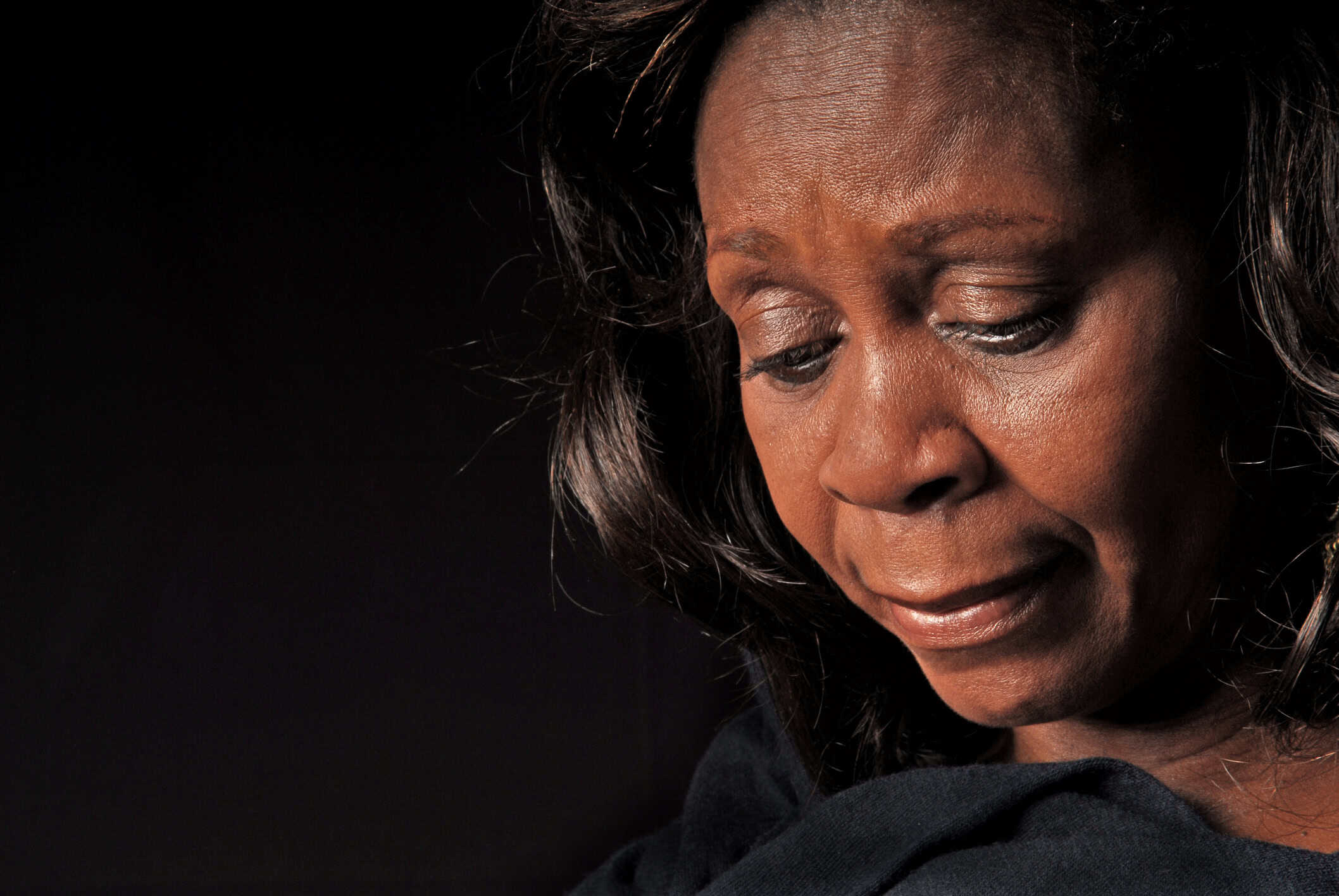
Love Will Whisper Your Name Again
What You’ll Discover
Sweet friend, if you’re reading these words, chances are your heart has been through something that shook you to your foundation. Maybe someone you loved with everything you had walked away, betrayed you, or left you wondering if trusting again is even possible. Maybe right now the very idea of opening your heart feels less like an invitation and more like a dare — one you’re not quite sure you want to accept.
That’s okay. Truly. You don’t have to be brave today. You just have to be willing to read a little further.
In this post, we’re going to sit together — gently, quietly — and explore what it actually means to take the first small steps toward trusting again after heartbreak. Not giant leaps. Not blind faith. Just small, faithful, grace-covered steps that move you in the right direction, at your own pace, with God holding your hand every inch of the way.
- Why trust feels so frightening after heartbreak — and why that makes complete sense
- What the Bible says about learning to trust again
- The difference between rushing trust and allowing it to grow
- Three gentle, practical first steps you can take today
- How God’s presence changes everything about this journey
There’s no pressure here. No timeline. No grade. Just a warm hand extended in your direction, and an 82-year-old man who has walked through enough of life to know — the first step is always the hardest, and it is always worth taking.
Table of Contents
→ The Hook — She Almost Didn’t Come Back
→ Why Trust Feels So Terrifying After Heartbreak
→ The Difference Between Rushing and Allowing
→ Three First Steps Toward Trusting Again
→ When God Becomes Your Anchor
→ Continue Your Journey — Pathway 3
The Hook — She Almost Didn’t Come Back
She had made up her mind.
After everything that had happened — the lies, the silence, the day she found out the life she thought she was living was only half true — she decided she was done. Done with vulnerability. Done with giving anyone the power to hurt her like that again. Done with trust.
She told herself it was wisdom. And in some ways, it was. Her heart was protecting itself the only way it knew how.
But one Sunday morning, almost by accident, she walked into a small church service. The pastor said something simple. She almost missed it. He said, “God never asks you to trust blindly. He asks you to trust Him — and then, one small step at a time, He’ll show you who else is worthy.”
She cried the whole drive home.
Not because she was broken. But because something in her — something quiet and stubborn and alive — had not given up on the idea of trusting again. It had just been waiting for permission.
Maybe you’re in that same waiting place right now. And if you are, I want you to know — what you’re feeling is not weakness. It is wisdom shaped by pain. And there is a path forward. It starts right here, with the smallest step you’ve ever taken.

| A woman sitting on a porch at golden hour, wrapped in a soft shawl, looking toward the horizon with quiet hope. Warm, soft light filters through autumn trees. The mood is contemplative but peaceful — not defeated, but still. She is waiting for something she hasn’t yet named. |
Why Trust Feels So Terrifying After Heartbreak
Let’s start with an honest question: Have you ever said — even quietly, just to yourself — “I will never let anyone hurt me like that again”?
If you have, please hear me say this without a trace of judgment: of course you said that. Of course you did. When someone we loved with our whole heart betrays that love, our soul goes into a kind of protective lockdown. It’s not a character flaw. It’s not a failure of faith. It is the most human response in the world to genuine pain.
Heartbreak doesn’t just hurt your feelings. It shakes something deeper — your ability to trust your own judgment. You find yourself asking: How did I not see it coming? Why did I believe them? Can I even trust what I think and feel anymore?
Those questions are not signs that you are broken. They are signs that you are honest. And honesty, dear friend, is the very ground that healing grows from.
| “He heals the brokenhearted and binds up their wounds.”— Psalm 147:3 |
The fear of trusting again is real. Let’s name a few of its faces, because naming something is the first step toward having power over it:
- Fear of being fooled again — “What if I can’t read people correctly?”
- Fear of vulnerability — “If I open up, I’ll just get hurt again.”
- Fear of your own heart — “What if I fall for the wrong person again?”
- Fear of God’s silence — “Where was He when all this happened?”
Every one of those fears deserves to be honored, not dismissed. But none of them deserve to have the final word over your life. That word belongs to Someone else entirely.
| 📷 IMAGE PROMPTA close-up of a woman’s hands wrapped gently around a warm mug of tea. The background is softly blurred — a window, soft morning light, perhaps a Bible or journal nearby. The image conveys quiet safety, warmth, and a moment of personal reflection. |
What God Says About Trust
Here’s something I’ve learned in 82 years of paying attention to God: He never asks us to be naive. He never asks us to pretend the pain didn’t happen. And He never asks us to hand our heart to someone who hasn’t shown themselves trustworthy.
What He does ask — gently, persistently, lovingly — is that we bring our broken trust back to Him first. Before we extend it to anyone else. Before we even begin to think about another relationship. Before we make any big decisions. We come to Him, wounded and honest and maybe a little angry, and we let Him be the anchor.
| “Trust in the Lord with all your heart and lean not on your own understanding; in all your ways submit to Him, and He will make your paths straight.”— Proverbs 3:5-6 |
That verse has been a companion of mine through some of the hardest seasons of my life. And I want to offer it to you not as a platitude, but as a lived truth. Because when our own understanding has been shattered by betrayal, God’s understanding becomes the very thing we stand on.
Notice what that verse doesn’t say. It doesn’t say, “Figure it all out and then trust God.” It doesn’t say, “Wait until you feel better and then start leaning on Him.” It says trust with all your heart — even when all your heart can manage is a whisper of willingness.
What Biblical Trust Actually Looks Like
Biblical trust is not blind. It is not passive. It is not the same as reconciliation or forgetting what happened. Biblical trust is an active, daily, sometimes-gritted-teeth decision to believe that God is who He says He is — even when your circumstances are telling you a very different story.
And here’s the beautiful thing: you don’t have to manufacture that trust out of thin air. You just have to be willing. Willingness is enough for God to work with. He’ll do the rest.

| An open Bible on a wooden table, bathed in soft morning light. A single flower — perhaps a simple daisy or small rose — rests across the pages. The image is peaceful, sacred, and intimate. It communicates quiet communion with God. D 346268179 © Phichitpon Intamoon | Dreamstime.com |
The Difference Between Rushing and Allowing
One of the most damaging things we can do after heartbreak is rush ourselves toward trust before we are ready. And there are voices — sometimes well-meaning ones — that will try to hurry us along.
“You need to get back out there.” “You can’t let one bad experience define you.” “It’s been long enough — you should be over this by now.”
Friends, those voices — however well-intentioned — are not the voice of God. God never rushes healing. He never puts a deadline on grief. He never taps His watch impatiently while you process your pain.
| “There is a time for everything, and a season for every activity under the heavens.”— Ecclesiastes 3:1 |
Allowing trust to grow is something entirely different from forcing it. Allowing means:
- Being open to evidence of trustworthiness without demanding it
- Taking small, reversible risks — sharing a little, watching the response
- Giving yourself permission to feel cautious without shame
- Trusting God with the pace of your healing
- Releasing the pressure to be “over it” by any particular date
I want you to imagine trust not as a door you either open or slam shut — but as a window you raise slowly, just an inch at a time, letting in a little fresh air, testing the temperature, and deciding how much further to go based on what you feel. That’s not weakness. That’s wisdom.
| 📷 IMAGE PROMPTA woman gently opening a window to let in soft morning light. She is standing in a quiet room, her expression calm and curious rather than fearful. Outside the window, there are soft-focus trees and a gentle blue sky. The mood is one of cautious hope — a new day, carefully welcomed. |
Three First Steps Toward Trusting Again
Let me offer you three gentle, faith-grounded first steps. These are not dramatic. They are not heroic. They are small enough to take even on your hardest days — and that is exactly the point.
Step One: Trust God Before Anyone Else
Before you think about trusting another person, spend intentional time rebuilding your trust in God. This might mean sitting quietly with Him and telling Him honestly how you feel — even if what you feel is anger, confusion, or abandonment. He can handle your honesty. In fact, He prefers it.
Try praying something like: “Lord, I’m not sure I trust anyone right now — including myself. But I’m choosing to trust You with this broken thing I’m carrying. Show me who You are. Rebuild my faith from the ground up.”
That prayer is not small. That prayer is enormous. It is the beginning of everything.
| “Cast all your anxiety on Him because He cares for you.”— 1 Peter 5:7 |
Step Two: Identify One Safe Person
You don’t need to trust the world right now. You need to trust one person. One friend, one sister, one counselor, one pastor — someone whose track record with you has been consistent and kind. Practice vulnerability in small doses with that person. Share something real. Notice how they respond. Let that experience begin to rewire your belief that trust always leads to pain.
Safety is built in small moments. A text that is answered. A secret that is kept. A promise that is honored. Those moments, repeated over time, build the bridge back to trust — one plank at a time.
Step Three: Begin to Trust Yourself Again
This is the one most women forget, and it may be the most important of all. Heartbreak has a way of making us distrust our own judgment. We second-guess every instinct, every feeling, every decision. We wonder if we can even be trusted to know what is real.
But here is what I know after 82 years: you are wiser than your wounds are telling you. The same woman who loved deeply and was hurt is also the woman who survived it. Who is still here. Who is reading these words and looking for a way forward. That woman has wisdom. She has discernment. She has strength she hasn’t fully recognized yet.
Start small. Make one decision today and honor it. Then another tomorrow. Trust yourself with little things first, and watch how that self-trust grows.
| 📷 IMAGE PROMPTA woman walking alone on a quiet garden path, stepping forward with gentle confidence. She is not running — she is walking slowly and intentionally. The path is lined with soft flowers and dappled sunlight. The image conveys a woman who is moving forward, one step at a time, choosing her own pace. |
When God Becomes Your Anchor
I want to close the main body of this post with something I’ve come to believe with my whole heart after all these years: the journey back to trust is not primarily about finding the right person to trust. It is about rediscovering that God has never stopped being trustworthy.
Every season I’ve walked through — and there have been many — the thing that steadied me was not a new relationship or a fixed circumstance. It was the slow, quiet, daily practice of returning to God and finding Him exactly where He said He’d be. Present. Faithful. Unhurried. Unshaken by my doubt.
| “The Lord himself goes before you and will be with you; He will never leave you nor forsake you. Do not be afraid; do not be discouraged.”— Deuteronomy 31:8 |
When you anchor yourself to that truth — really anchor to it, not just agree with it intellectually but return to it daily — something shifts. The fear doesn’t disappear overnight. But it loses its grip. And in that loosening, space opens up. Space for small steps. Space for cautious hope. Space for the whisper of love to find its way back to your name.
You are not too wounded to walk this road. You are not too old to start again. You are not too broken for restoration. God does not deal in write-offs. He deals in redemption. And He is not done with your story.
| 📷 IMAGE PROMPTA woman standing at the water’s edge at sunrise — perhaps a lake or ocean shore. She is not looking back. She is looking forward, toward the light on the horizon. One hand is raised slightly, as if in quiet prayer or surrender. The image is powerful, peaceful, and full of beginning. |
Reflection Questions
Take your time with these. There are no wrong answers — only honest ones. You might find it helpful to write your thoughts in a journal.
- What specific fear about trusting again feels most present for you right now? Can you name it clearly?
- When was the last time you felt genuinely safe with another person? What made that feel safe?
- Have you been honest with God about how you’re feeling — including any anger or confusion? If not, what might you say to Him today?
- Who is one person in your life right now whose trustworthiness you could lean into, even just a little?
- What is one small decision you could make today that would help you begin to trust yourself again?
A Closing Prayer
Lord,
My heart has been through things I didn’t plan for and didn’t deserve. The trust I gave was used against me, and a part of me wants to close every door and never open them again. I confess that fear to You — and I ask You to be gentle with it.
I don’t need to have it all figured out today. I just need to take one step. And so I’m choosing, right now, to trust You with this. With the fear. With the grief. With the wondering if love is even safe anymore.
Go before me. Hold the doors I am not ready to open. Guard my heart while it heals. And show me — slowly, clearly, surely — who and what is worthy of my trust.
I believe You are. And today, that is enough.
In Jesus’ name, Amen.
A Word from Nathaniel
I’ve lived 82 years, and I’ve learned that trust is one of the bravest things a human being can offer another. Especially after it’s been broken.
I’m not going to tell you it’s easy. I wouldn’t insult your pain like that. What I will tell you is this: every time in my life that I chose to take one small step toward trusting again — toward God, toward a friend, toward myself — something opened up that had been closed. Not all at once. Not without some stumbling. But it opened.
You are not starting over. You are starting wiser. There’s a big difference. The wisdom you carry from everything you’ve been through is not a burden — it’s a gift, if you’ll let it be. And I believe, with everything in me, that God is not finished with your story. Not even close.
Keep walking, friend. Even if it’s just one inch today. I’m proud of you for being here.
— Nathaniel, Founder of 2nd Chance Love
Continue Your Journey — Pathway 3
You’ve just taken your first step. Let the rest of Pathway 3 walk you the rest of the way. Each post builds on the one before it, and each one was written with you in mind.
- Next: Post 2 — How to Tell If Someone Is Worth Trusting
- Post 3 — Learning to Listen to Your Discernment, Not Your Fear
- Post 4 — Why Trust Is a Bridge That Must Be Rebuilt Slowly
- Post 5 — What Healthy Boundaries Look Like in Second Chapter Life
If this post touched your heart, you may also find comfort in these related pathways:
- Pathway 1 — Forgiveness and Faith: The Foundation of Healing
- Pathway 2 — Healing After Betrayal: Finding Peace After the Pain
And remember — the cornerstone of everything we do here is this quiet promise:
“Love Will Whisper Your Name Again.”
You are not alone. You are not broken beyond repair. You can heal. You can love again.
Tags:
rebuilding trust after heartbreak | Christian women healing | faith after betrayal | how to trust again | learning to trust yourself | second chance love | spiritual healing women over 40 | trusting God after divorce | emotional healing faith | Pathway 3
